
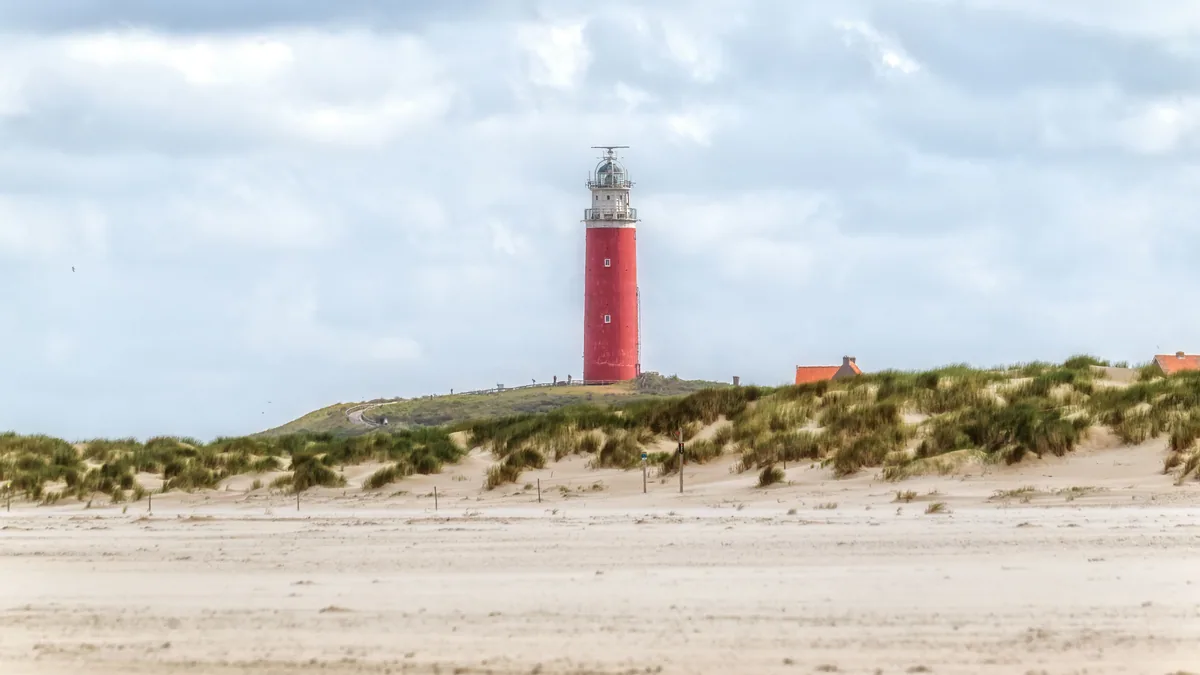
A useful Netherlands packing list starts from three facts: it rains in every season, you will probably cycle, and almost everything you do will involve walking on uneven brick and cobblestone. Pack for those and you are ready for Amsterdam, Rotterdam, Utrecht, the Wadden coast or a Keukenhof day trip.
Below are twelve Netherlands travel essentials, ranked by how much you would regret leaving each one behind. Every entry follows the same shape — why it matters, what to look for, and whether you can buy it there instead.
Quick answer: pack a waterproof jacket with a hood, comfortable broken-in walking shoes, a Type C plug adapter, a contactless bank card and mobile data that works on arrival. Everything else on this list is comfort rather than necessity, and almost all of it can be bought in any Dutch city within an hour.
How this list is ranked
Three criteria decided the order, and they are worth stating so you can re-rank for your own trip:
- Regret cost — how badly the trip suffers if you do not have it. Wet clothes on day one ruins a weekend; a missing power bank does not.
- Difficulty of replacing it locally — the Netherlands is a wealthy, well-stocked country. Anything you can buy at a HEMA, Etos or Albert Heijn within twenty minutes drops down the list.
- Weight and volume — this is a hand-luggage-friendly country. Trains, canal-house stairs and bike racks all punish over-packing.
Anything scoring high on the first two and low on the third goes near the top.
The top five: pack these first
1. A properly waterproof jacket with a hood
Why it matters: Dutch rain is rarely dramatic and frequently horizontal. It arrives as drizzle blown sideways off the North Sea, often for twenty minutes at a time, several times a day, in July as well as November. Umbrellas fail in Rotterdam wind; hoods do not.
What to look for: A packable shell with a taped-seam waterproof rating rather than a "water-resistant" softshell. A hood that stays up while cycling is worth more than a fashionable cut. Dark colours hide canal-splash.
Buy locally? Yes, easily — but at tourist prices in central Amsterdam. Bring your own.
2. Broken-in walking shoes, plus a second pair
Why it matters: Dutch city centres are laid with brick and cobbles that chew soft soles and turn new shoes into blisters by hour three. You will comfortably walk 12–15 km a day in Amsterdam without planning to.
What to look for: One pair of supportive, water-resistant shoes you have already worn for a full day, and one backup pair so wet shoes can dry overnight. Skip heels entirely — cobbles and tram tracks are unforgiving.
Buy locally? Possible, but breaking in new shoes mid-trip is how holidays get shortened.
3. Working mobile data from the moment you land
Why it matters: More of the Netherlands runs through your phone than in most European countries. Train tickets and platform changes come from the NS app, bikes are unlocked in an app, museum time-slots are booked online, and most restaurants outside the centre expect you to have looked up their hours. Landing at Schiphol without data means queueing for a ticket machine you did not need to use.
What to look for: Data that is already installed and working before you board, rather than something you set up on airport Wi-Fi. If your phone supports eSIM (embedded SIM — the digital SIM card built into the handset), a travel plan can be added at home and switched on when you land, keeping your home number active for calls and two-factor codes. Most flagship phones from 2018 onward support it, but check your specific model before you rely on it.
Buy locally? Physical Dutch prepaid SIMs are sold at Schiphol and in phone shops, but you will spend queue time and swap out your home SIM to use one.
Download the offline map of your city and the NS train app before you fly. Schiphol’s underground platforms and Amsterdam’s older tram tunnels have patchy signal, and the moment you most want a departure board is the moment you are between cells.
4. A contactless bank or credit card that works abroad
Why it matters: The Netherlands is close to cashless, and it also runs on its own debit system. Many supermarkets, market stalls and smaller cafés accept Maestro or V Pay debit but decline credit cards, and a handful of places take no cash at all.
What to look for: Bring two cards from different networks, ideally one debit and one credit, plus a phone wallet as a third fallback. Notify your bank of the travel dates if it still requires that. Carry perhaps €40 in cash for bike-hire deposits, tips and the occasional stubborn snack bar.
Buy locally? No. Sort this at home.
5. A Type C or Type F plug adapter
Why it matters: Dutch sockets take the standard two-round-pin Europlug at 230 V, 50 Hz. If you are arriving from the UK, the US, Canada, Japan or Australia, your plugs will not fit.
What to look for: One multi-port USB-C wall charger with an EU plug does the job of an adapter and three cables. If you are travelling from a 110 V country, check that anything with a motor or heating element (hair tools, travel kettles) is rated for 230 V rather than just adapted to fit.
Buy locally? Yes, at any electronics shop or Schiphol — but at a premium.
Six through twelve: high value, lower urgency
6. Layers rather than one warm coat
Dutch weather changes hourly and indoor heating is generous. A merino or synthetic base layer, a light fleece or jumper, and the waterproof shell from entry one will cover roughly 10–20 °C, which is most of the Dutch year. In winter add a proper hat, gloves and a scarf; wind chill along the canals and the coast is the real cold, not the air temperature.
7. A small crossbody bag or bike-friendly backpack
Everything you carry needs to work while cycling and stay secure in crowds around Dam Square and Centraal Station. A zipped crossbody worn in front, or a compact backpack you can wear on your chest on busy trams, beats an open tote. Bike baskets are common but not lockable — never leave a bag in one.
8. A power bank and a short cable
You will navigate, photograph, tap in and out of trains and check bike-share maps all day. A 5,000–10,000 mAh bank covers a long day with margin. Keep it in your carry-on, never checked baggage, per airline lithium rules. If you are working while you travel, a second cable in a different bag saves an afternoon.
9. A refillable water bottle
Dutch tap water is high quality and safe everywhere, and public taps are increasingly common in city centres and stations. A 500–750 ml bottle removes the daily cost and plastic of bottled water. Cafés will generally refill it without fuss if you have bought something.
10. Sunglasses and sunscreen — yes, really
The Dutch sky is enormous and often bright between showers, and low sun over flat polder landscape sits directly in your eyes for much of spring and autumn. On a cycling day along the coast or through the bulb fields, sun exposure is higher than the temperature suggests. Travel-size sunscreen; sunglasses you do not mind losing.
11. A dry bag or two zip-lock pouches
Cheap, light and disproportionately useful. One for the phone, wallet and passport when the drizzle turns serious, one for wet socks and swimwear if you are heading to Scheveningen or the Wadden islands. Ferry crossings to Texel and Terschelling are spray-heavy in most weather.
12. Any prescription medication in original packaging
Bring enough for the whole trip plus a few days, in labelled original packaging, with a copy of the prescription. Dutch pharmacies (apotheek) are excellent but many common painkillers and cold remedies sold over the counter elsewhere are behind the counter here, and some are simply different brands. The Dutch government publishes guidance on bringing medicines into the country — check it if you carry anything controlled.
What to leave at home
Cutting weight matters more than adding items on a trip built around trains and bikes.
- A large umbrella. Wind wins. The hood is the answer.
- Formal outfits. Dutch dress codes are relaxed almost everywhere; smart-casual covers fine dining and most business settings.
- Hair dryer. Nearly every hotel and rental has one, and voltage mismatches cause more problems than the space saved.
- Heavy guidebooks. Download the chapters you need.
- Bulk toiletries. Etos, Kruidvat and HEMA are on most high streets and cheaper than airport shops.
- A bike lock. Rental bikes come with two, and Dutch locks are better than whatever you would carry.
eSIM or local SIM for the Netherlands
For a short trip, this is the one decision on the list that is worth a minute of thought rather than a habit.
| Option | Ready before you land | Keeps your home number | Setup effort | Best for |
|---|---|---|---|---|
| Travel eSIM | Yes | Yes, dual-SIM | Install at home, switch on arrival | Trips of a few days to a few weeks |
| Local prepaid SIM | No | No, unless dual-SIM | Buy in person, swap SIM, register | Long stays needing a Dutch number |
| Home carrier roaming | Yes | Yes | None | EU residents with roam-like-home included |
Pros of a travel eSIM here
- Working data the moment your plane lands, which is when you need the NS app.
- Your home number stays reachable for bank codes and calls.
- Nothing to buy, queue for or lose at Schiphol.
Cons
- Your phone must support eSIM and be carrier-unlocked.
- It is genuinely unnecessary if you live in the EU and your plan already includes Dutch data, or if you are transiting for one night and can live on hotel Wi-Fi.
- A long stay with lots of calls to Dutch numbers is better served by a local SIM.
If you are an EU resident, check your existing plan first — roam-like-home may already cover you and you need nothing. Everyone else can compare the maths in our eSIM versus roaming cost breakdown, and the country specifics live in the Netherlands eSIM travel guide. Travelling for work rather than pleasure changes the calculation slightly — see business travel in the Netherlands for the expense and coverage side.
Pre-departure checklist
Work through this the evening before you fly.
- [ ] Waterproof hooded jacket packed and reachable in carry-on
- [ ] Two pairs of walking shoes, one already worn in
- [ ] Type C plug adapter or EU USB-C charger
- [ ] Two payment cards from different networks, plus €40 cash
- [ ] Mobile data plan installed and tested, roaming setting understood
- [ ] NS train app, offline city map and accommodation address downloaded
- [ ] Power bank in carry-on, charged
- [ ] Medication in original packaging with prescription copy
- [ ] Passport or ID valid, plus travel insurance details saved offline
- [ ] Photos of passport, cards and bookings stored somewhere you can reach without data
Two documents worth checking before anything else: your passport’s remaining validity against the Schengen entry rules published by the European Union, and your device’s eSIM support on the manufacturer’s own support pages if you plan to install one.
FAQ
What should I pack for the Netherlands in summer?
The same waterproof jacket and layers, in lighter weight. Dutch summer days range widely and evening wind off the water is cool, so pack short sleeves plus a jumper and shell rather than summer clothing alone.
Do I need cash in the Netherlands?
Very little. Cards and phone wallets are accepted almost everywhere, though some places take Maestro debit only and refuse credit cards, so carry a debit card and around €40 in notes as backup.
Is a Netherlands packing list different for a cycling trip?
Add padded gloves, a small rear light if you are riding after dark, and a rain cover for your bag. Dutch rental bikes include locks and usually lights, so those you can skip.
Will my phone work in the Netherlands?
Any unlocked 4G or 5G phone will connect to Dutch networks. The question is what you pay — check whether your home plan includes EU data, and if not, arrange a travel plan before departure rather than at the airport.
How much luggage do I need for a week?
A carry-on and a small day bag is enough for most one-week trips. Trains, narrow canal-house staircases and bike racks all reward travelling light, and laundry facilities are widely available.
Before you go
Weigh your bag once it is packed, then remove one thing — you will walk further than you plan to.
Save your accommodation address, return flight details and a map offline, so a dead battery or a signal gap never becomes a real problem.
And decide on connectivity before you reach the gate rather than after: Atlas eSIM plans cover the Netherlands from short-stay data sizes upwards, installed at home and switched on when you land at Schiphol.